
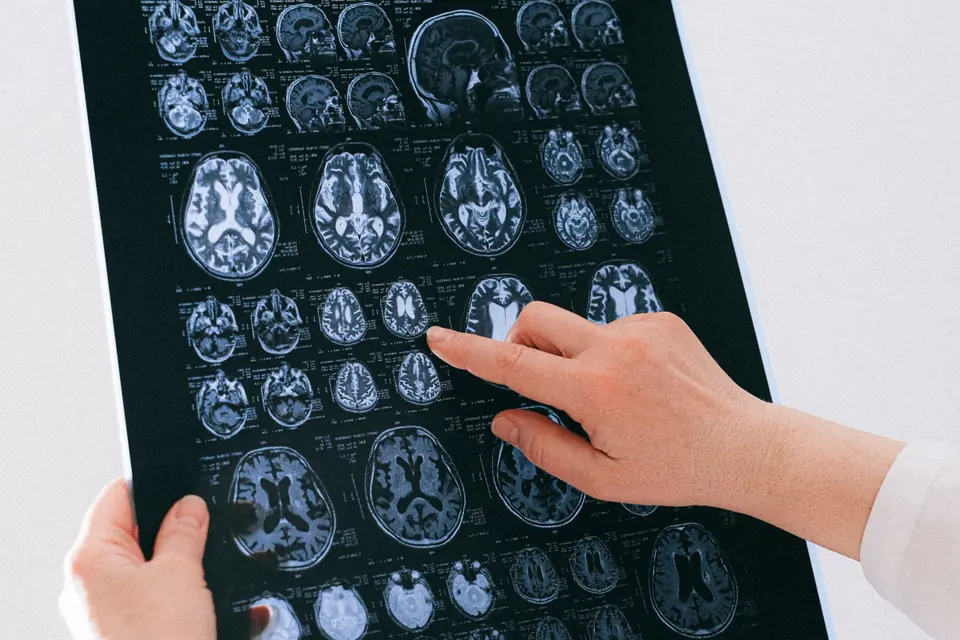
Migraine is not just a “bad headache” but a neurological condition related to the way the brain processes pain signals. During an attack the pain is usually on one side of the head, has a throbbing character and gets worse with physical activity. Attacks can last from 4 to 72 hours.
Symptoms
- Moderate or severe throbbing headache, often on one side
- Nausea, sometimes vomiting
- Extreme sensitivity to light, sound and sometimes smells
- Pain that worsens with movement or climbing stairs
- In some patients, an aura: flashing lines, spots, temporary visual disturbance or numbness in the hand 20–60 minutes before the pain
Factors that can trigger an attack
Triggers differ from patient to patient, but the most common are: disrupted sleep, skipping meals, dehydration, stress or the period of relaxation after stress, hormonal changes, certain foods and drinks, bright light, changes in the weather and tension in the neck muscles. Keeping an attack diary, noting when an attack started and what preceded it, helps with both diagnosis and treatment.
When to seek urgent medical help
Seek help without delay in the following cases:
- The “worst” headache of your life, a sudden “thunderclap” headache
- Headache with fever, a stiff neck or clouding of consciousness
- Loss of strength in the arms or legs, difficulty speaking, double vision
- Headache that starts after an injury
- Headache that appears for the first time, or changes in character, after the age of 50
Treatment
Migraine treatment has two aims: stopping an attack and reducing the number of attacks (prevention).
- Lifestyle. Regular sleep, drinking enough water during the day, not skipping meals and managing stress genuinely reduce the number of attacks.
- Medication. The medicines used during an attack differ from those used for prevention. Taking painkillers more than a few times a week can cause medication-overuse headache, which is one of the most common mistakes.
- Interventional methods. In frequent attacks that cannot be controlled with medication, an occipital nerve block, a sphenopalatine ganglion block or radiofrequency (RF) treatment may be considered.
Migraine is one of several types of headache. For the right treatment, the type of headache must first be identified.