
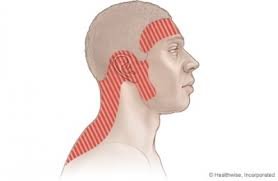
A tension-type headache is a mild to moderate pain that feels like a tight band squeezing your head. It is the most common type of headache, yet its causes are not fully understood.
Tension-type headaches can be treated. To get rid of them, you need to find a balance between a healthy lifestyle, traditional (folk) remedies and medication.
Main symptoms of tension-type headache:
- A dull, aching head pain
- A feeling of tightness or pressure across the forehead or on the sides and back of the head
- Tenderness of the scalp and of the neck and shoulder muscles
Tension-type headaches fall into two main categories: episodic and chronic.
Episodic tension-type headache
Episodic tension-type headaches can last from 30 minutes to a week. Frequent episodic tension-type headaches occur on up to 15 days a month for at least three months. Frequent episodic tension-type headaches may become chronic.
Chronic tension-type headache
This type of tension-type headache lasts for hours and may be continuous. If headaches occur on 15 or more days a month for at least three months, they are considered chronic.
Tension-type headache and migraine
Tension-type headaches can be difficult to tell apart from migraines. What is more, if you have frequent episodic tension-type headaches, you may also have migraines.
Unlike some forms of migraine, tension-type headaches are usually not accompanied by visual disturbances, nausea or vomiting. While physical activity usually makes migraine pain worse, it does not worsen tension-type headache pain. Increased sensitivity to light or sound can occur with a tension-type headache, but these are not common symptoms.
You should see a doctor if a headache is accompanied by fever, a stiff neck, mental confusion, seizures, double vision, weakness, numbness or difficulty speaking, or if a headache follows a head injury, especially if the headache is getting worse.
When should you see a doctor?
Make an appointment with your doctor
See a doctor if tension-type headaches disrupt your life or if you need to take headache medication more than twice a week.
Even if you have a history of headaches, see a doctor if the pattern changes or your headaches suddenly feel different. Occasionally, headaches may indicate a serious health problem, such as a brain tumour or the rupture of a weakened blood vessel (aneurysm).
Causes
The cause of tension-type headaches is not known. Experts used to think that tension-type headaches resulted from contraction of the muscles of the face, neck and scalp, perhaps as a result of heightened emotions, tension or stress. However, research shows that muscle contraction is not the cause.
The most widely held theory points to increased sensitivity to pain in people who have tension-type headaches. Increased muscle tenderness, a common symptom of tension-type headaches, may result from a sensitised pain system.
Triggers
Stress is the most commonly reported trigger for tension-type headaches.
Complications
Because tension-type headaches are so common, their effect on work productivity and overall quality of life is considerable, especially when they are chronic. Frequent pain may keep you from taking part in activities. You might have to stay home from work, or if you do go to work, your ability to work is impaired.
Prevention
Along with regular exercise, techniques such as biofeedback training and relaxation therapy can help reduce stress.
Biofeedback training. This technique teaches you to control certain body responses that help reduce pain. During a biofeedback session, you are connected to devices that monitor body functions such as muscle tension, heart rate and blood pressure, and give you feedback. You then learn how to reduce muscle tension and slow your heart rate and breathing.
Cognitive behavioural therapy. This type of talk therapy can help you learn to manage stress and may help reduce the frequency and severity of your headaches.
Other relaxation techniques. Anything that helps you relax, including deep breathing, yoga, meditation and progressive muscle relaxation, may help your headaches. You can learn relaxation techniques in classes or at home using books or recordings.
Using medication together with stress management techniques may be more effective in reducing tension-type headaches than either treatment alone.
In addition, a healthy lifestyle can help prevent headaches: get enough sleep, but not too much. Do not smoke. Exercise regularly. Eat regular, balanced meals. Drink plenty of water. Limit alcohol, caffeine and sugar.